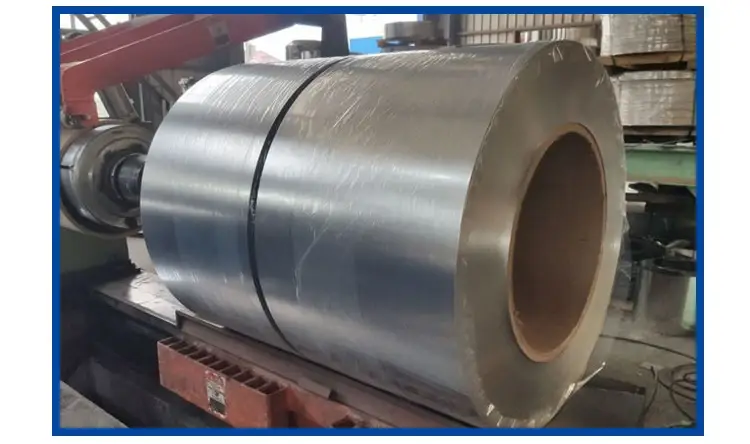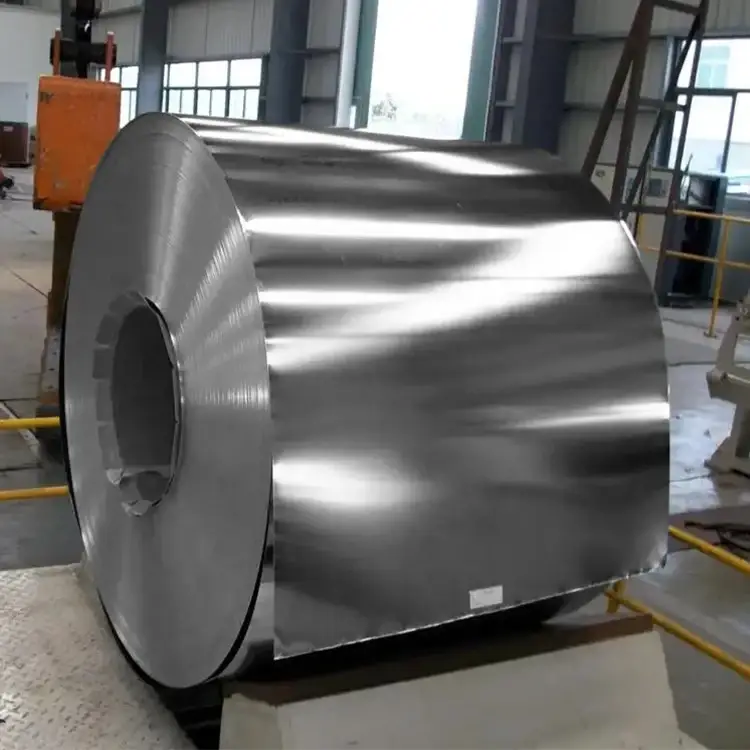
Electrolytic tinplate coil, often referred to as ETP tinplate, is one of the most widely used and environmentally friendly materials in the global metal packaging industry. It is essentially a low-carbon steel sheet coated with a thin layer of tin on both sides, combining the mechanical strength of steel with the corrosion resistance, weldability, and formability of tin. Because of these characteristics, tinplate coil and tinplate sheet are widely used in food cans, chemical containers, aerosol cans, easy-open ends, and general metal packaging.
For buyers evaluating different grades of tinplate for cans, understanding how the material is produced is essential. Every step in the production process—especially cold rolling, annealing, tempering, and tin coating—directly influences the hardness (T2–T5), surface quality, and coating uniformity of ETP tinplate or SPTE tinplate.
Production Process of Electrolytic Tinplate Coil
The manufacturing of tinplate begins with high-quality, low-carbon steel, which is then transformed into finished tinplate coil through a series of precise, controlled steps. Below is an expanded overview of the standard production process.
1. Hot Rolling and Pickling
The initial steel slab is hot-rolled into a thin steel sheet. After hot rolling, pickling removes scale and impurities, creating a clean surface for further processing.
This step ensures the base steel for tinplate sheet has uniform thickness and mechanical properties.
2. Cold Rolling
The pickled steel is cold-rolled to achieve the desired final thickness (commonly 0.18–0.30 mm for tinplate for cans).
Cold rolling improves strength and surface finish, which is critical for ETP/SPTE tin coating adhesion.
3. Slitting
Large mother coils are slit into narrower widths according to customer requirements.
Slitting accuracy affects subsequent can forming processes and reduces material waste.
4. Degreasing
Residual rolling oil is removed using alkaline cleaning solutions.
Proper degreasing is essential for achieving consistent tin coating quality in ETP tinplate.
5. Annealing
Annealing softens the steel, restores ductility, and ensures the material can be formed into can bodies, lids, or components without cracking.
This step defines the base temper grade before final temper rolling.
6. Temper Rolling
After annealing, the steel sheet undergoes temper rolling to achieve the required hardness level (T2, T3, T4, T5).
Hardness selection is important:
- T2–T3 → Suitable for food cans requiring deeper drawing
- T4–T5 → Ideal for lids, ends, and components requiring rigidity
7. Smoothing (Skin Pass)
Smoothing improves flatness, surface gloss, and paint adhesion.
A consistent smooth surface is important for decorative printing and lacquer application on tinplate sheet.
8. Electrolytic Tin Coating
This is the defining step of ETP tinplate production.
The steel strip passes through an electrolyte solution while tin is deposited onto both sides using electrochemical principles.
Coating options include:
- Light coating for general cans
- Heavier coating for food cans with acidic content
- Differential coating for cost savings
SPTE tinplate follows similar processes but may vary based on regional standards.
9. Cutting or Shearing
The finished tinplate coil can be cut into sheets according to specific can sizes—ideal for 3-piece cans, lids, and stamping operations.
10. Packagin
Coils or sheets are wrapped, strapped, and palletized to protect the tin surface during shipping.
Proper packaging prevents rust and edge damage during long-distance export.
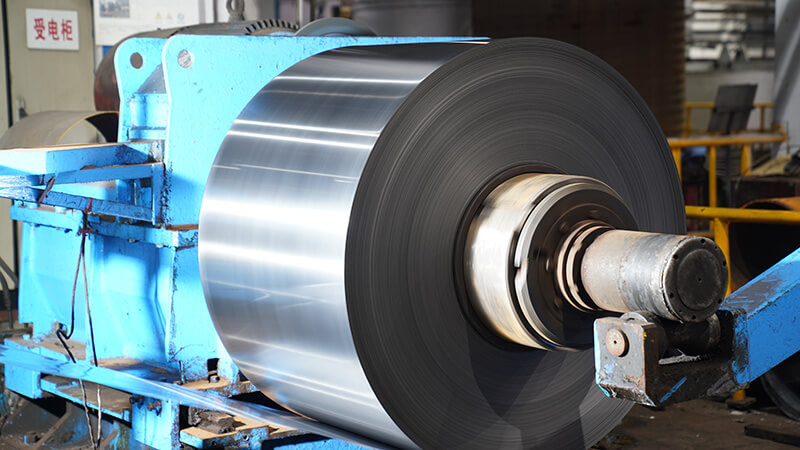
Electrolytic Tinplate Coil Production Process
The production of high-quality tinplate coil and tinplate sheet involves multiple precise steps. Understanding these steps is essential for buyers sourcing ETP tinplate, SPTE tinplate, or tinplate for cans. Each stage affects the thickness, hardness, surface quality, and coating adhesion of the final product.
1. Hot Rolling and Pickling
Hot-rolled steel sheets in coil form the base of tinplate coil. Before cold rolling, pickling is required to:
- Remove iron oxide scale formed during hot rolling
- Trim the sides of the steel strip neatly
- Apply rolling lubricating oil to prevent rust and reduce friction
- Detect and remove surface defects that could affect subsequent cold rolling or tin coating
Pickling ensures the tinplate sheet is clean and prepared for high-quality ETP tinplate or SPTE tinplate production.
2. Cold Rolling
After pickling, the hot-rolled strip enters cold rolling, reducing thickness from about 2 mm to 0.2 mm (production range: 0.12 mm – 0.55 mm for tinplate for cans).
Cold rolling:
- Deforms the steel plastically to improve strength and surface finish
- Uses coolant and lubricating oil to reduce friction and dissipate heat
- Maintains strip flatness and hardness control
This step ensures the tinplate coil achieves the desired mechanical properties for can manufacturing or industrial applications.
3. Slitting
Cold-rolled material is slit to the required width (typically 600 mm – 1000 mm), producing tinplate coils ready for coating or direct can manufacturing.
4. Degreasing
During cold rolling, grease and other residues adhere to the surface of the tinplate sheet. If not removed before annealing, they can cause carbonaceous stains and compromise tin coating quality.
Degreasing is performed electrolytically or chemically to ensure:
- Clean surfaces for ETP tinplate and SPTE tinplate
- Uniform tin adhesion
- Compliance with quality standards for tinplate for cans
5. Annealing
Annealing softens the steel and refines the grain structure. There are two main methods:
- Batch annealing: Produces deep-draw steel with high strength, ideal for food cans, beverage cans, and bottles
- Continuous annealing: Faster process, producing smaller-grained steel suitable for general tinplate sheet applications
Annealing restores ductility and prepares the tinplate coil for temper rolling and tin coating.
6. Temper Rolling
The steel’s ferrite crystals, elongated during cold rolling, are work-hardened. Temper rolling restores processability while controlling hardness.
Annealing cycle principle for temper rolling:
- Rapid heating to ~680°C
- Hold for 20–25 seconds
- Controlled cooling to 480°C
- Rapid cooling to near room temperature
This step ensures the ETP tinplate or SPTE tinplate has the optimal hardness and strength for can forming and industrial use.
7. Smoothing (Leveling)
After annealing, the steel strip is slightly cold-rolled (flattened) with a reduction of 0.5–4% to:
- Relieve internal stress
- Improve surface flatness and appearance of tinplate sheet
- Adjust hardness to meet the requirements of tinplate for cans
Smoothing ensures the final tinplate coil or tinplate sheet is suitable for stamping, drawing, and coating processes in can manufacturing.
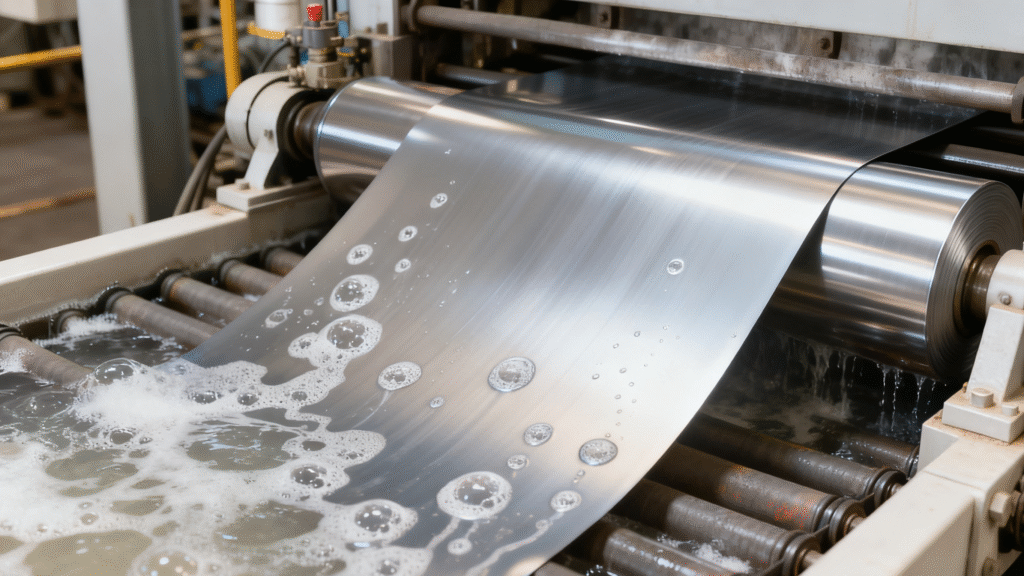
Tin Coating
The tin coating process is the key step that transforms a steel strip into high-quality ETP tinplate or SPTE tinplate. The electroplating unit consists of three main sections: pre-treatment, electroplating, and post-treatment. Each stage is critical to ensure uniform tin coverage, corrosion resistance, and suitability for tinplate for cans.
1. Pre-treatment
Pre-treatment prepares the tinplate sheet surface for electroplating and includes pickling, alkali washing, water rinsing, and brushing.
- Pickling: Removes oxide films, rust, and oil stains from the steel surface to provide a clean base for tin deposition.
- Alkali washing: The steel strip passes through a hot alkali solution while electrolytically cleaned under energized electrodes. Oils, dust, and other impurities are removed mechanically and chemically with hydrogen and oxygen generated during electrolysis.
Pre-treatment ensures the tinplate coil surface is clean, smooth, and ready for high-quality tin plating.
2. Electroplating
During electroplating, tin is deposited evenly onto both sides of the steel strip to produce ETP tinplate or SPTE tinplate. The coating thickness can be adjusted according to the intended application:
- Light tin coating for general tinplate for cans
- Heavier coating for food-grade cans or chemically sensitive contents
- Custom coatings for special can designs or industrial uses
3. Post-treatment
After tin plating, post-treatment processes remove residues and prepare the tinplate sheet or tinplate coil for packaging and further processing.
Cutting or Shearing
Once the tinplate coil is fully coated, it is cut or slit according to customer requirements:
- Slit into narrower tinplate steel strips
- Cut into sheets for direct use in can manufacturing
- Optional printing or patterning for packaging applications
This ensures that the ETP tinplate or SPTE tinplate meets precise dimensions and design needs for various tinplate for cans products.
Packaging
Proper packaging is essential to protect the electrolytic tinplate coil during transportation. High-quality suppliers provide secure wrapping, strapping, and palletizing to prevent damage, scratches, or corrosion.
Professional tinplate manufacturers ensure that tinplate sheet and tinplate coil reach customers in perfect condition, ready for use in can production or industrial applications.
How to select excellent electrolytic tin-plated steel sheets/coils
Understanding the production process—from cold rolling, annealing, tempering, to electrolytic tin coating, cutting, and packaging—helps buyers choose the right tinplate coil or tinplate sheet for their needs.
Whether you require ETP tinplate for standard food cans, SPTE tinplate for specialty cans, or customized tinplate for cans, working with a professional supplier ensures consistent quality, reliable supply, and precise specifications.
Witop Tinplate is a leading tinplate manufacturer in China, offering high-quality products and support for all inquiries related to tinplate coil and tinplate sheet.
High-quality tinplate coil and tinplate sheet, including ETP tinplate and SPTE tinplate, combine steel strength with excellent corrosion resistance, weldability, and formability. They are ideal for food cans, beverage cans, chemical containers, and other metal packaging applications.
Every step of production—from hot rolling, pickling, cold rolling, annealing, tempering, leveling, to electroplating, cutting, and packaging—ensures precise thickness, hardness, surface quality, and uniform tin coating, guaranteeing consistent performance in forming and durability.
Choosing a professional tinplate manufacturer ensures stable supply, compliance with food safety and industrial standards, and products that meet exact specifications. Clear communication on thickness, hardness, and coating requirements maximizes production efficiency and product quality.
For reliable tinplate for cans, trust experienced suppliers who provide technical support and tailored solutions.