As a vital part of the modern food packaging industry, packaging not only protects food but also extends its shelf life, ensures food safety, and strengthens a brand’s market image. Choosing the right food packaging material has become a key strategic decision for manufacturers. The material directly impacts product freshness, storage stability, production cost, transportation efficiency, and even the consumer’s perception of quality. Among various food packaging solutions, tinplate packaging and paper packaging stand out as two of the most widely used options. Each offers unique advantages in protection, recyclability, and appearance—yet they differ greatly in durability, sustainability, and overall performance.
In this article, we will compare tinplate packaging vs. paper packaging from multiple perspectives, including food preservation, cost-effectiveness, sustainability, and branding potential. By analyzing the characteristics of both metal cans and paper-based containers, we aim to help manufacturers, exporters, and brand owners make informed decisions when choosing packaging for their products. This comparison will also highlight why tinplate food cans continue to be the preferred choice in industries requiring strong protection, long shelf life, and global export reliability.
Optimized Version — What Are the Advantages of Tinplate Packaging?
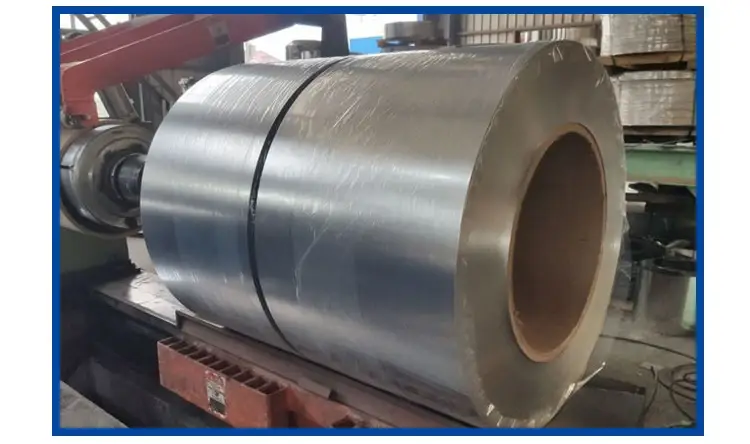
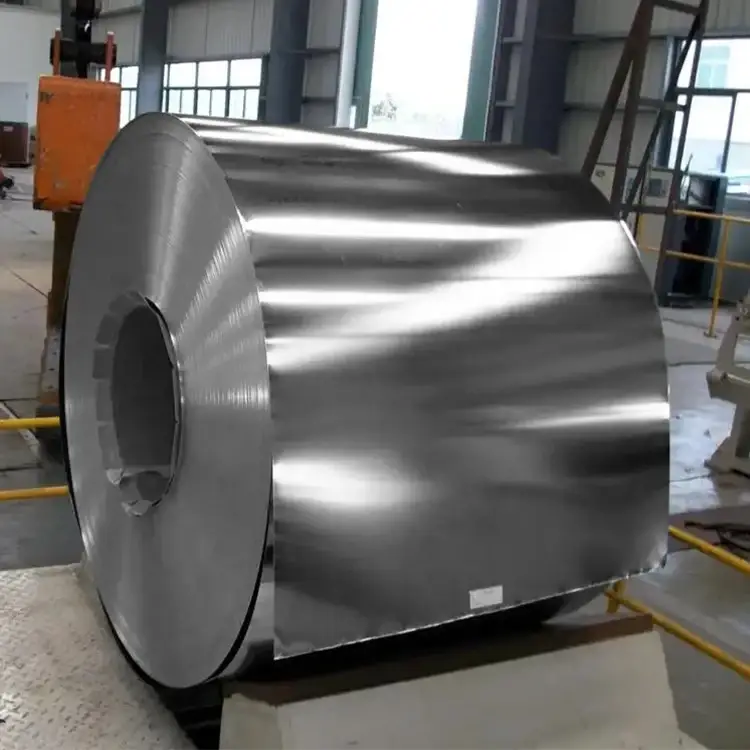
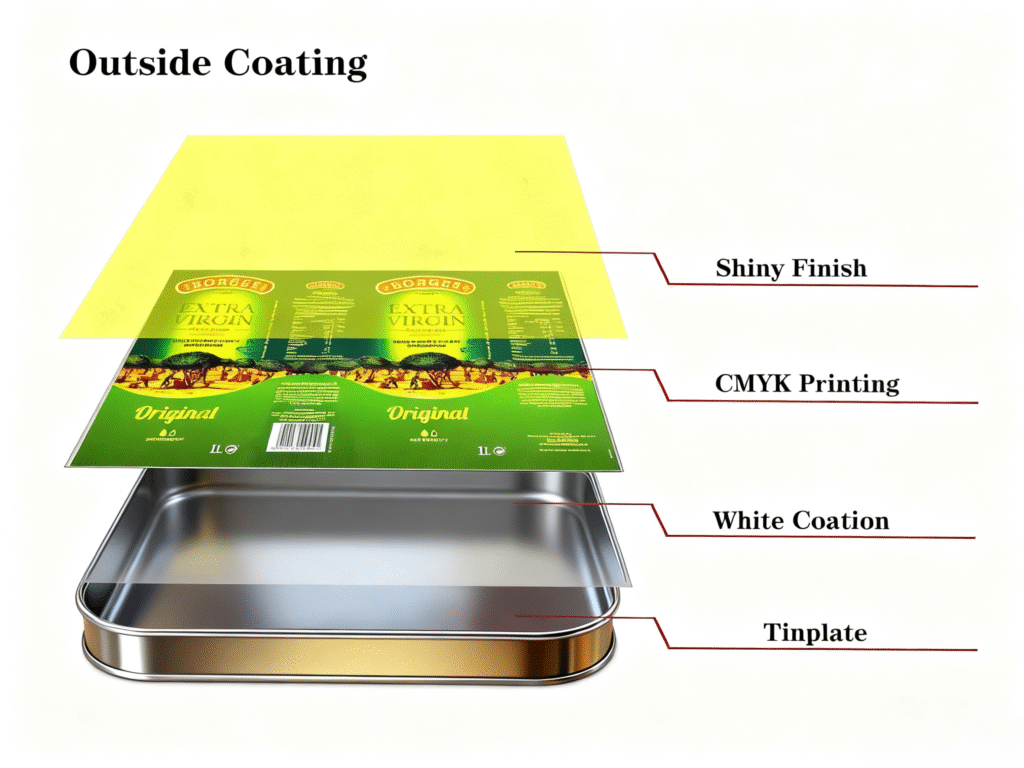
Tinplate, also known as tin-plated steel sheet, is a type of metal material with a thin layer of tin coating applied to enhance its corrosion resistance and durability. As one of the most traditional and reliable food packaging materials, tinplate packaging has maintained a strong position in the global market due to its sealing performance, mechanical strength, and food safety advantages.
1. Excellent Sealing and Protection
One of the biggest strengths of tinplate food packaging is its outstanding sealing ability. In the food industry, air exposure is a major factor leading to oxidation, spoilage, and loss of flavor. Thanks to the dense and robust structure of tinplate cans, they effectively block air, moisture, and light—key elements that cause deterioration. This ensures a longer shelf life and maintains the freshness and flavor of the product.
Additionally, tinplate packaging offers exceptional pressure resistance and impact strength, protecting food from mechanical damage during long-distance shipping and stacking. Compared with paper packaging, which is easily deformed or punctured, metal cans made from tinplate retain their shape and integrity even under rough logistics conditions—making them the preferred choice for canned foods, beverages, and export packaging.
2. Corrosion Resistance and Food Safety
In food-grade packaging, ensuring the chemical stability between the container and the food is crucial. The tin layer on the surface of tinplate sheets prevents direct contact between iron and food, avoiding potential chemical reactions that might compromise food safety. Tin itself is highly stable and non-reactive with most types of food ingredients, ensuring that packaged products remain uncontaminated.
Moreover, tinplate packaging provides reliable corrosion resistance, especially when dealing with acidic foods such as tomato paste, fruit juice, or pickled products. The protective tin coating prevents rusting and ensures the metal surface remains intact even in humid storage environments. While paper packaging can achieve partial moisture resistance through lamination or coating, its overall protective performance is significantly weaker than that of tinplate.
3. Strong Physical Durability and Heat Resistance
When it comes to mechanical strength and long-term durability, tinplate packaging far exceeds paper-based alternatives. Its high hardness and rigidity make it resistant to crushing, bending, or tearing during transport and handling. For manufacturers shipping large quantities of canned goods overseas, this durability reduces product loss and improves logistics efficiency.
Another major benefit is heat and pressure resistance. In the food canning process, containers are often subjected to high-temperature sterilization to ensure microbiological safety. Tinplate cans can easily withstand these conditions without deformation or leakage—unlike paper packaging, which cannot tolerate such thermal processing. This makes tinplate packaging the most reliable solution for high-temperature sterilized foods and long-shelf-life exports.
Good Recycling and Environmental Protection
Tinplate packaging is widely recognized as an eco-friendly and recyclable packaging material, making it a sustainable choice for modern manufacturers. In today’s era of resource scarcity and growing environmental awareness, the recyclability of tinplate has become one of its most important competitive advantages. Discarded tinplate cans and containers can be efficiently collected, melted, and reprocessed into new steel products, greatly reducing raw material waste and environmental pollution. This closed-loop recycling system perfectly aligns with the principles of the circular economy, where materials are reused instead of discarded.
Furthermore, the recycling rate of tinplate is among the highest of all food packaging materials—often exceeding 80% in developed markets. Since tinplate is primarily made of iron and tin, both of which retain their properties after reprocessing, it can be recycled repeatedly without losing structural quality. This not only saves natural resources but also lowers the carbon footprint of the packaging industry. Many international packaging suppliers and food exporters prefer tinplate because it complies with global sustainability standards such as ISO 14001 and aligns with the shift toward green manufacturing.
Although the production cost of tinplate packaging is relatively higher compared to paper packaging, its long lifespan, durability, and recyclability offer far greater environmental and economic value in the long run. Paper packaging, while renewable, often faces challenges during recycling—such as deinking, bleaching, and the removal of laminated plastic films. These additional processes not only reduce recycling efficiency but also consume large amounts of water and energy, offsetting some of its environmental benefits.
From a sustainability perspective, tinplate packaging provides a more balanced and responsible solution for industries seeking recyclable, long-lasting, and eco-friendly food packaging. It demonstrates that environmental protection and product safety can go hand in hand, creating real value for manufacturers, consumers, and the planet alike.
What Are the Advantages of Paper Packaging?
Paper packaging also plays an important role in the modern food packaging industry due to its lightweight structure, low cost, and easy processing. Especially in the fields of snacks, bakery, beverages, and fast food, paper-based materials have shown remarkable advantages in convenience, aesthetics, and cost efficiency.
1. Lightweight and Easy to Carry
Compared with tinplate packaging, paper packaging is significantly lighter, which makes it highly practical in today’s fast-paced logistics and consumer markets. For end users, lightweight packaging means greater convenience—it is easier to carry, store, and dispose of. For manufacturers and distributors, this lightness directly translates into lower transportation costs, reduced fuel consumption, and smaller carbon emissions during shipping.
In the food industry, many ready-to-eat products—such as biscuits, potato chips, bread, and takeaway meals—use paper-based containers or boxes. These lightweight and portable packages enhance consumer convenience while improving overall product accessibility. Moreover, paper materials can be easily folded, cut, or laminated into bags, trays, and boxes of various shapes, making them adaptable to different food formats and packaging requirements.
2. Low Cost and High Production Efficiency
One of the main advantages of paper food packaging is its low manufacturing cost. Paper is widely available, and its processing technology is relatively simple, enabling mass production at a low price. For large-scale food manufacturers, this significantly reduces total packaging expenses. Unlike metal cans, paper packaging requires no heavy machinery or complex coating lines, resulting in a shorter production cycle and higher operational efficiency, ideal for markets with rapidly changing consumer demand.
Another major benefit lies in its printability and visual appeal. Paper packaging allows for vivid color printing, branding, and surface finishing, enabling companies to display brand logos, nutritional information, and attractive designs. These visual elements not only strengthen brand identity but also help products stand out on retail shelves—an essential factor in influencing consumer purchasing behavior.
3. Environmental Protection and Degradability
Although paper packaging is less durable and less recyclable than tinplate, its natural biodegradability and renewable origin make it a strong contender in the move toward eco-friendly packaging solutions. Paper is primarily made from wood pulp, a renewable resource, which can naturally decompose under appropriate environmental conditions without producing toxic residues.
This biodegradability reduces long-term environmental impact and landfill accumulation. In regions that strongly promote green packaging policies—such as the EU and Japan—paper packaging has become increasingly popular due to its renewable and compostable nature. Even without complex recycling systems, paper packaging can break down naturally, easing waste management pressures and supporting sustainable development goals (SDGs).
4. Good Processability and Design Flexibility
Another distinctive advantage of paper-based packaging is its excellent processability and design flexibility. Paper materials are easy to cut, fold, glue, and laminate, making it possible to produce customized packaging for different food types and branding requirements. Through simple molding or die-cutting techniques, manufacturers can create boxes, sleeves, cups, or wrapping papers in diverse shapes and sizes.
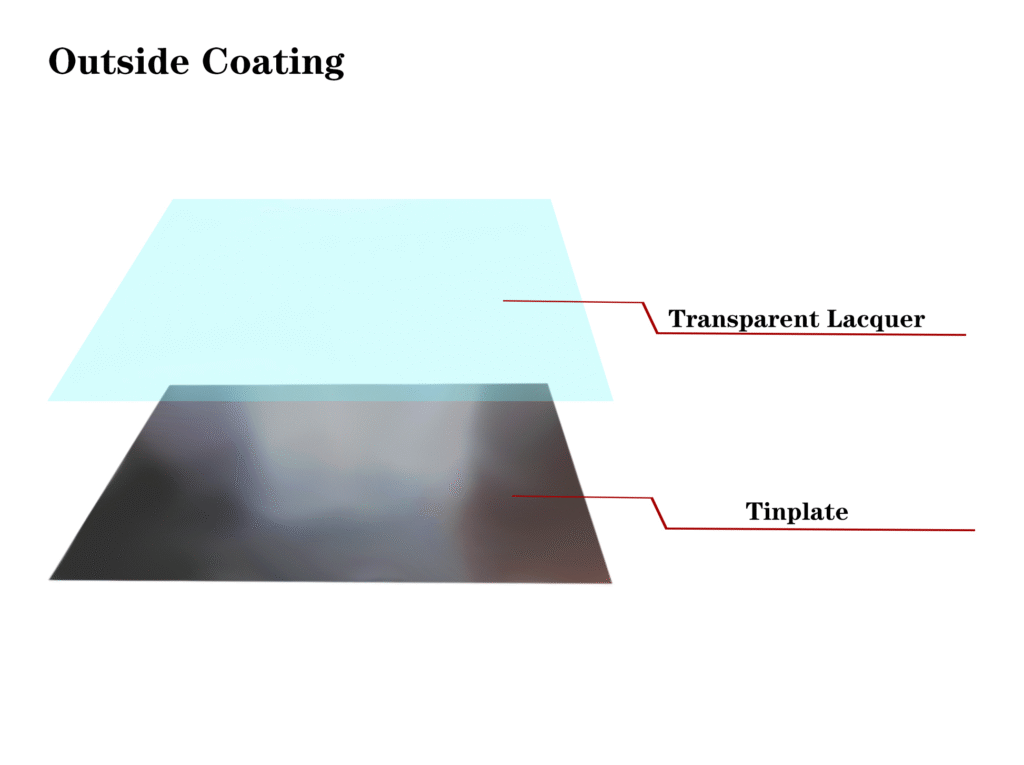
In addition, paper packaging’s surface adaptability allows for various decorative techniques such as lamination, embossing, matte coating, or foil stamping, giving products a premium look and feel. For high-end food brands, well-designed paper packaging can elevate the perceived value of the product, enhance shelf appeal, and improve the consumer unboxing experience—an increasingly important factor in competitive retail markets.
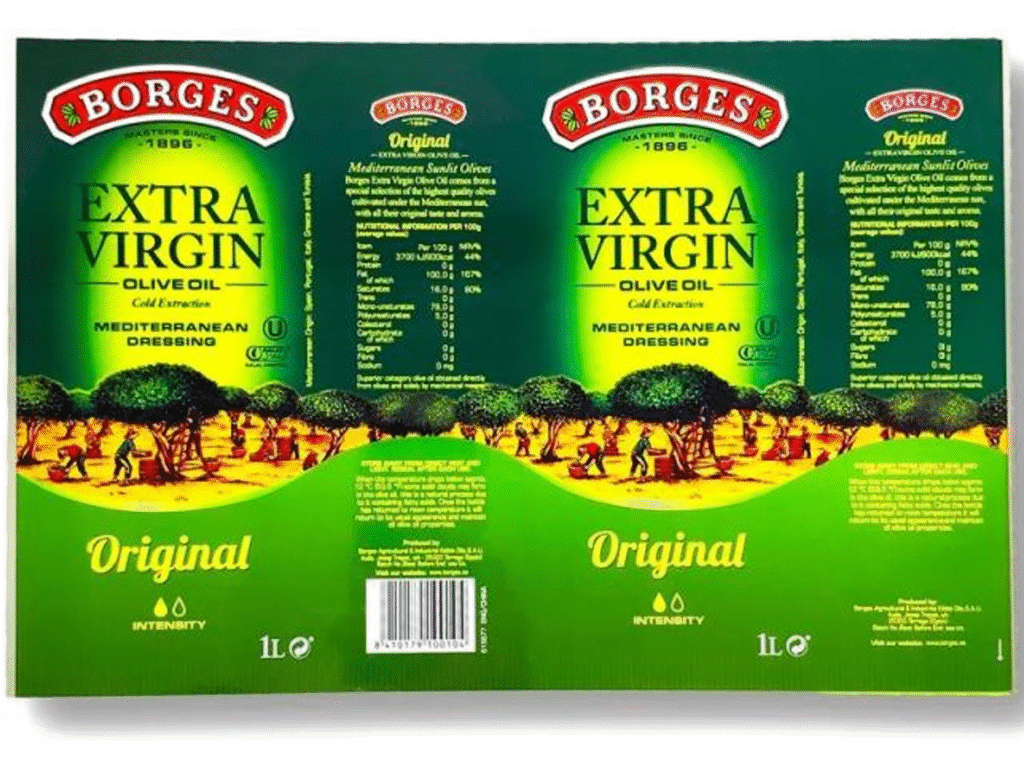
Tinplate Packaging vs. Paper Packaging: Disadvantages Comparison
Although both tinplate packaging and paper packaging have their own advantages in the food packaging industry, each material also has certain limitations that affect performance, cost, and practicality in different applications. Understanding these disadvantages helps manufacturers choose the most suitable packaging solution for their specific needs.
Disadvantages of Tinplate Packaging
● High production cost
The production cost of tinplate packaging is relatively high due to its raw material and processing requirements. The manufacturing of tinplate sheets involves multiple steps—steel rolling, tin coating, and surface treatment—all of which increase cost. While tinplate can be reused and recycled, its one-time manufacturing expense is still higher than paper packaging, especially for small or mid-scale food producers.
● Heavier weight
Compared with paper packaging, tinplate is denser and heavier. This added weight increases transportation costs, particularly in international shipping, and may affect logistics efficiency. For consumers, heavy metal cans can also reduce convenience in portable food products such as snacks or beverages.
● Lack of transparency
Since tinplate packaging is opaque, consumers cannot directly view the product inside. For food items where visual appeal matters—such as confectionery, pastries, or beverages—this limitation can affect purchase decisions. Although printed or windowed designs can partially offset this, tinplate still lacks the visibility offered by paper or plastic packaging.
Disadvantages of Paper Packaging
● Limited protection performance
While paper is lightweight and cost-effective, it offers weaker barrier properties against moisture, air, and light. Paper packaging is easily affected by humidity, causing deformation or weakening of the material. It also struggles to maintain food freshness and shelf life, making it unsuitable for long-term storage or perishable goods.
● Low mechanical strength
In terms of compression resistance and impact protection, paper packaging is significantly weaker than tinplate. During long-distance transportation and storage, paper boxes or bags may tear, bend, or collapse under pressure, potentially compromising food integrity and product safety.
YRSM Metal Packaging: Your Trusted Partner in Food-Grade Tinplate Solutions
As a leading manufacturer of metal packaging in China, YRSM Metal Packaging specializes in producing high-quality tinplate packaging for global food, chemical, and industrial markets. With advanced production lines and strict quality control systems, we provide consistent and durable metal cans, tinplate sheets, and custom-printed packaging that meet international standards.
If you are looking for a reliable B2B supplier for bulk orders, OEM/ODM customization, or cost-effective tinplate packaging solutions, YRSM Metal Packaging is your trusted partner. We combine competitive pricing, technical expertise, and sustainable manufacturing to help businesses enhance their packaging performance and brand image.